A New Year’s resolution you can actually stick to (because it tastes good)
If you’re looking for one small upgrade that makes breakfast feel a bit better (and doesn’t require a full life reset), bee pollen is a lovely place to start.
It’s colourful, naturally crunchy, and ridiculously easy to sprinkle into everyday food. A tiny spoonful and suddenly your yoghurt looks like it belongs in a fancy café. Golden little wins, right?
What is bee pollen?
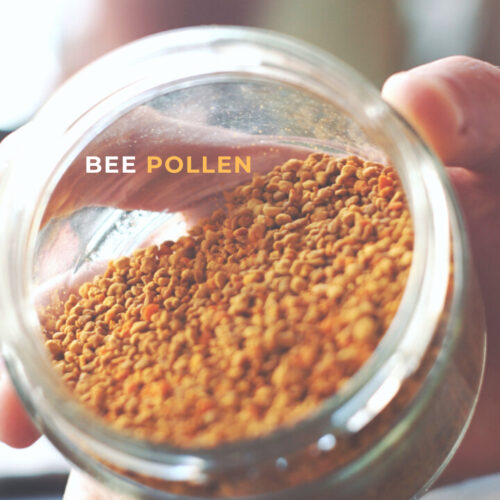
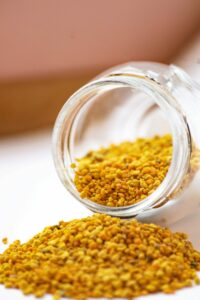
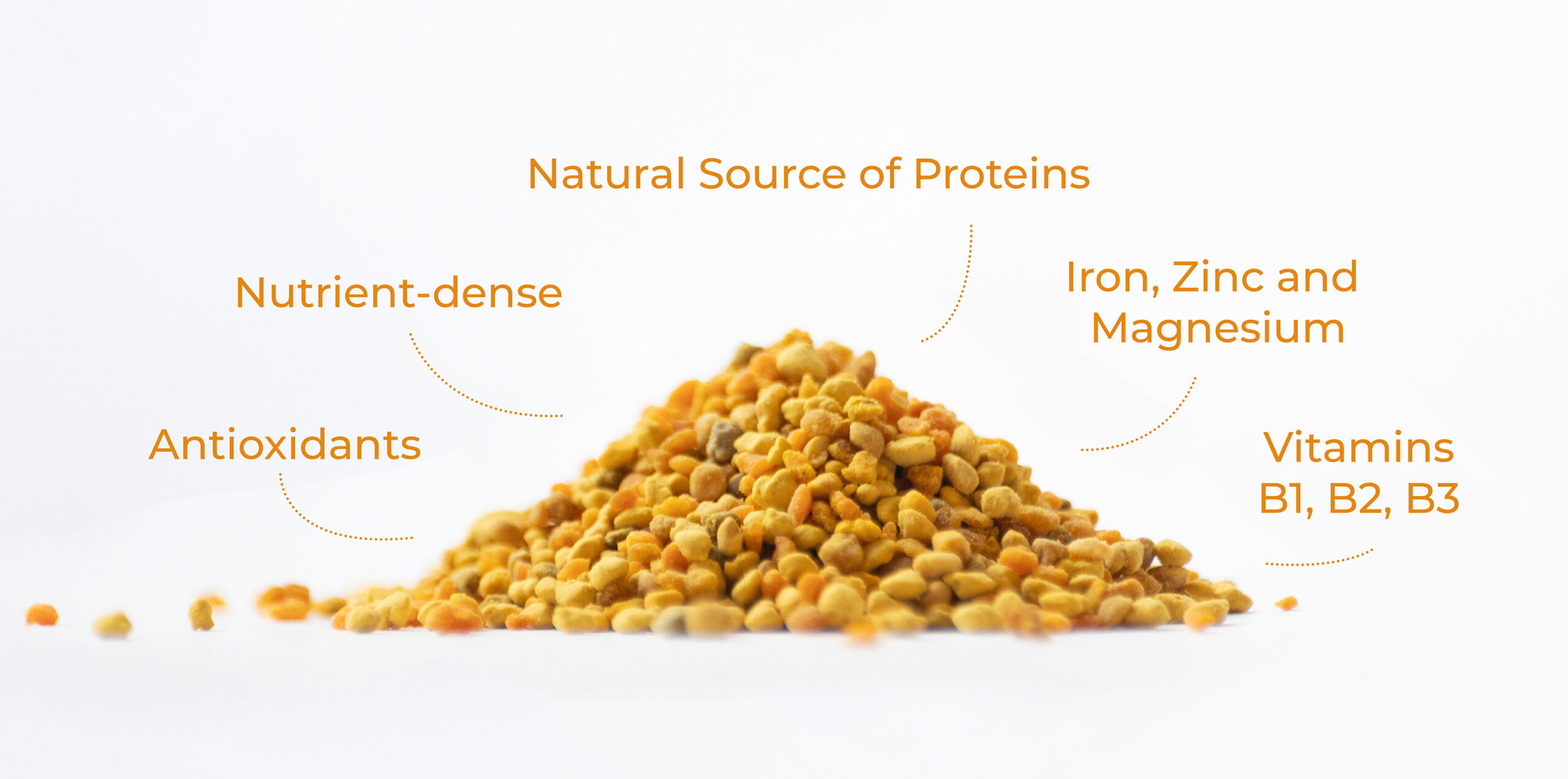
Bee pollen is the pollen bees collect from flowers as they forage. They pack it into tiny pellets, often different colours depending on the flowers in bloom, and bring it back to the hive as an important food source.
Because it comes from plants, seasons, and landscapes, bee pollen naturally varies. The colour, flavour, and exact nutrient profile change depending on what’s flowering and where the bees are working. That variation is part of what makes it special.
The benefits of bee pollen (the real, practical kind)
Let’s keep this grounded: bee pollen isn’t a miracle cure. But as a whole food from the hive, it has a lot going for it, especially if you like simple routines that are easy to repeat.
1. A nutrient-dense “sprinkle” for everyday meals
Bee pollen naturally contains a mix of proteins, carbohydrates, fats, fibre, and a wide range of vitamins and minerals.
Why this matters in real life: it’s an easy way to gently upgrade breakfasts and snacks without changing your routine.
2. A simple way to add more plant diversity
Because pollen comes from flowering plants, bee pollen can reflect a mix of different botanical sources, especially when bees forage across varied landscapes.
Why people like this: it’s a small, achievable step towards a more varied diet, the kind of goal that actually feels doable.
3. Naturally occurring antioxidants, without the drama
Bee pollen contains polyphenols and other bioactive compounds that are widely studied for their antioxidant properties.
What this means for you: people often add bee pollen to their diet as part of a whole-foods approach, choosing naturally complex ingredients over single-nutrient supplements, and letting variety do the work.
4. A satisfying texture that makes “healthy food” feel alive
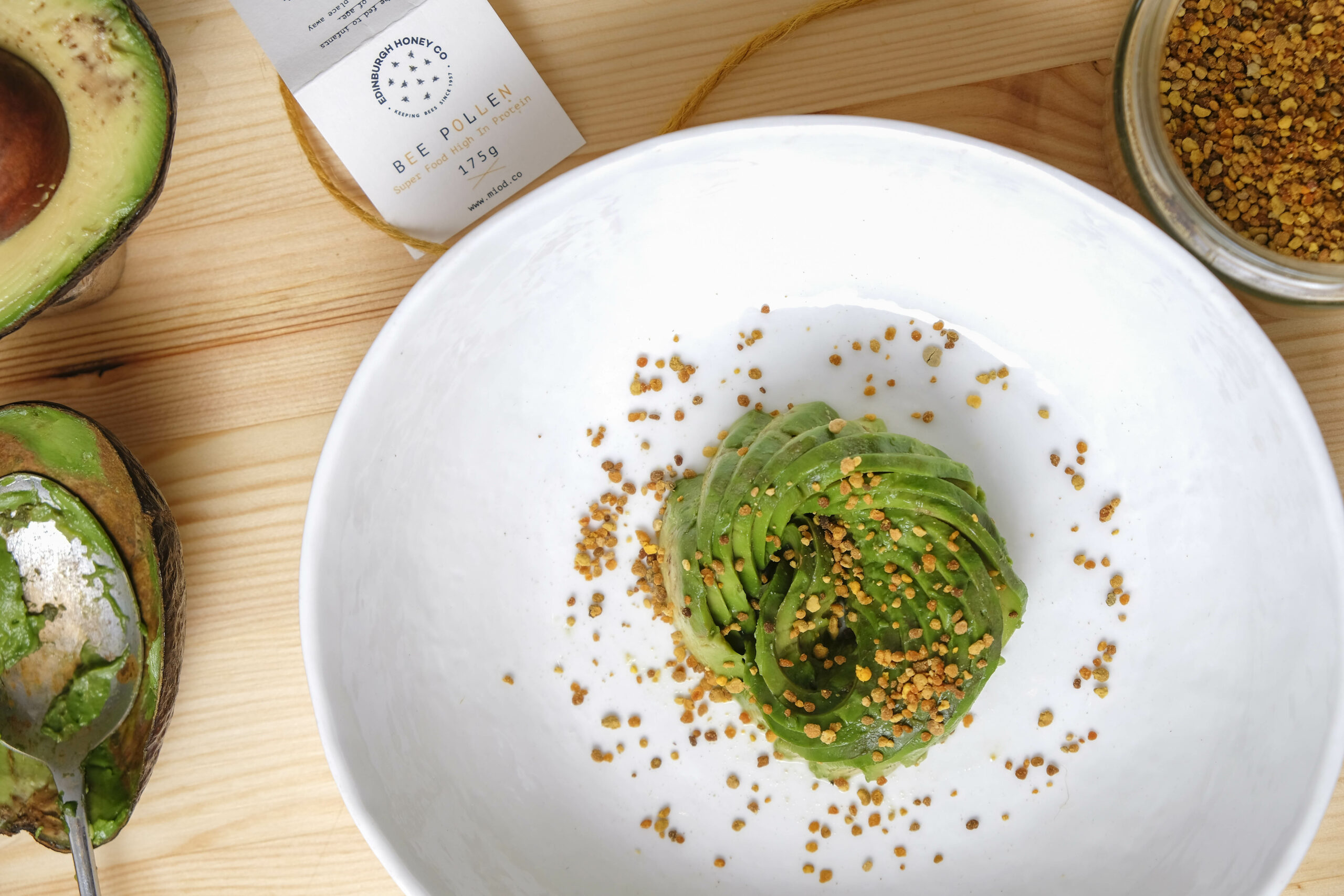
Bee pollen is crunchy in a gentle, natural way. Those tiny bursts of texture lift everyday dishes, yoghurt, porridge, smoothie bowls, even salads, without overpowering them.
It’s a simple way to make familiar meals feel a bit more special, adding enjoyment to everyday routines.
5. A small ritual that supports consistency
Resolutions usually fail because they’re too big and too strict. Bee pollen is the opposite, a tiny habit that’s easy to repeat.
- Keep it by the kettle or cereal jar
- Add a pinch daily
- Enjoy the “I did something good today” feeling (small rituals are often the ones that last)
6. It connects you back to the hive (and the season)
This one’s more about feeling than facts, but it matters.
Bee pollen is a direct link between flowers → bees → hive → your kitchen.
If you like the idea of eating with the seasons, supporting pollinator-friendly landscapes, and choosing ingredients with a clear story, bee pollen is a beautifully tangible way to do it.
Ready to try bee pollen?
Bee pollen fits beautifully into breakfast. Add it to yoghurt, oats or smoothies, enjoy the colour, and let it be the kind of small habit that’s easy to keep going.
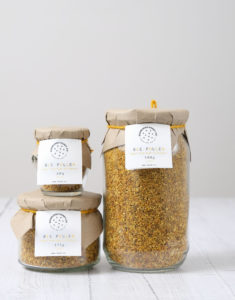
Explore our Bee Pollen online, or pop into our Edinburgh shops and we’ll help you find the right pairing, including the honey that suits your taste best.
How to take bee pollen
There’s no single perfect amount, bee pollen varies, and people vary too. The simplest approach:
- Start small: a pinch or ¼ teaspoon
- See how you feel
- Increase gradually if it suits you
Easy ways to use it
- Sprinkle over yoghurt and berries
- Add to porridge with a spoon of honey
- Top smoothies or smoothie bowls
- Stir into overnight oats
- Mix into honey for a simple “pollen honey” drizzle
Best honey to pair with bee pollen
Bee pollen plays beautifully with honey, it softens the flavour, helps it stick to food, and makes everything feel a bit more luxurious.
- Scottish Blossom Honey, light, versatile, everyday pairing
- Scottish Heather Honey, bolder and deeper if you enjoy a stronger taste
- Hot Toddy Honey, a cosier twist for winter breakfasts or evening yoghurt bowls
A little Edinburgh Honey Co promise
We love hive products because they’re simple, traditional, and deeply connected to place. No flashy shortcuts, just careful beekeeping, seasonal variation, and respect for the bees.
A responsible research note
If you’re managing a health condition or unsure whether bee pollen or bee bread is right for you, it’s always sensible to check with a qualified professional.
Bee pollen is a natural whole food containing a wide range of nutrients and naturally occurring compounds. Research into bee pollen often focuses on its composition and potential properties, but results can vary depending on the pollen source, processing, and individual response, and human evidence is still limited in some areas.
Research into bee pollen varies depending on botanical origin, processing, and context of use. This article was informed by peer-reviewed review papers exploring the composition and variability of bee pollen, including publications in Frontiers in Nutrition (2024) and the National Center for Biotechnology Information (NCBI). Links are provided for readers who wish to explore the research in more depth.
References
Comprehensive Review on Bee Pollen Composition and Bioactive Properties
National Center for Biotechnology Information (NCBI), 2023.
https://pmc.ncbi.nlm.nih.gov/articles/PMC10045447/
Bee Pollen as a Functional Food: Nutritional Composition and Research Perspectives
Frontiers in Nutrition, 2024.
https://www.frontiersin.org/journals/nutrition/articles/10.3389/fnut.2024.1371672/full