
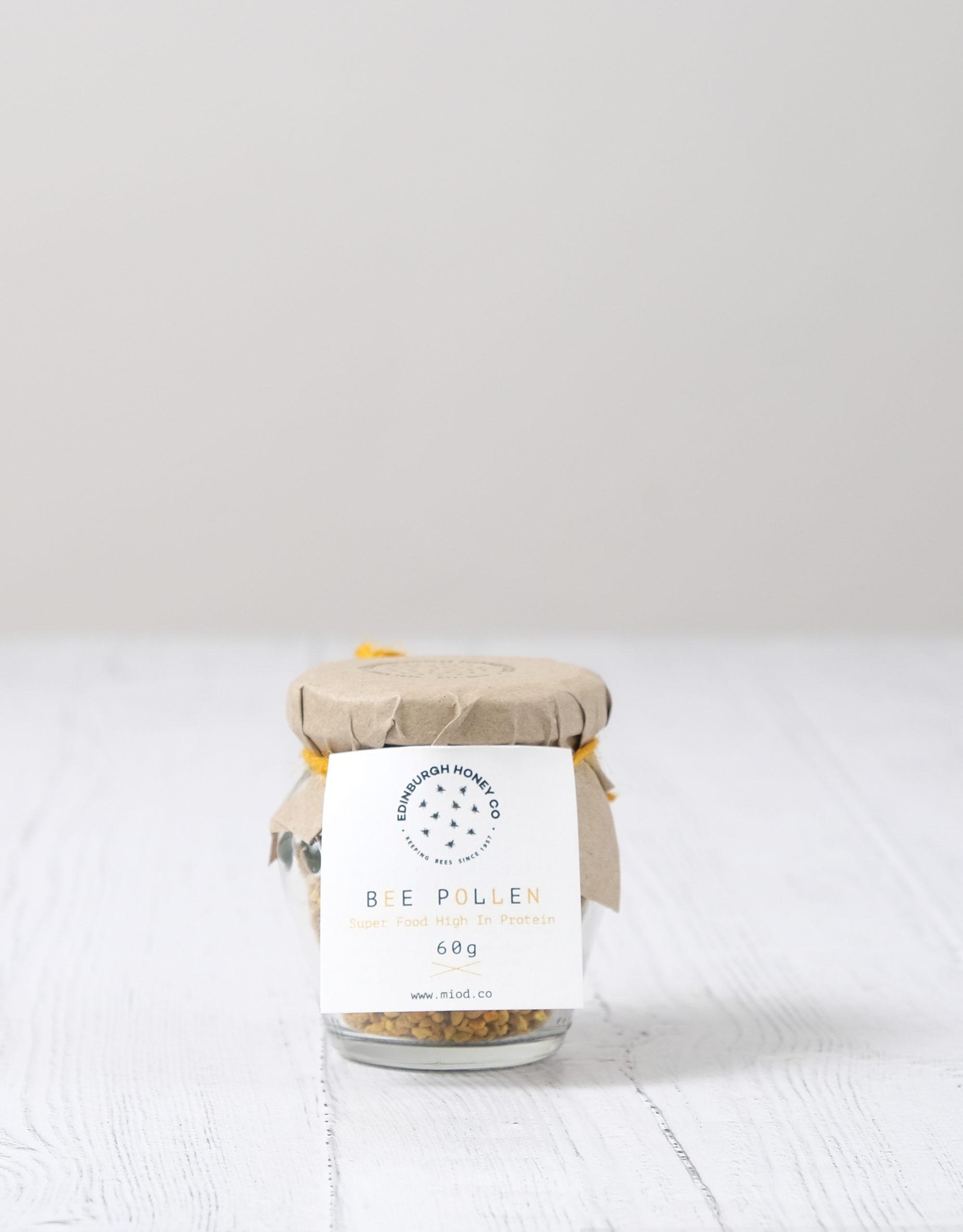
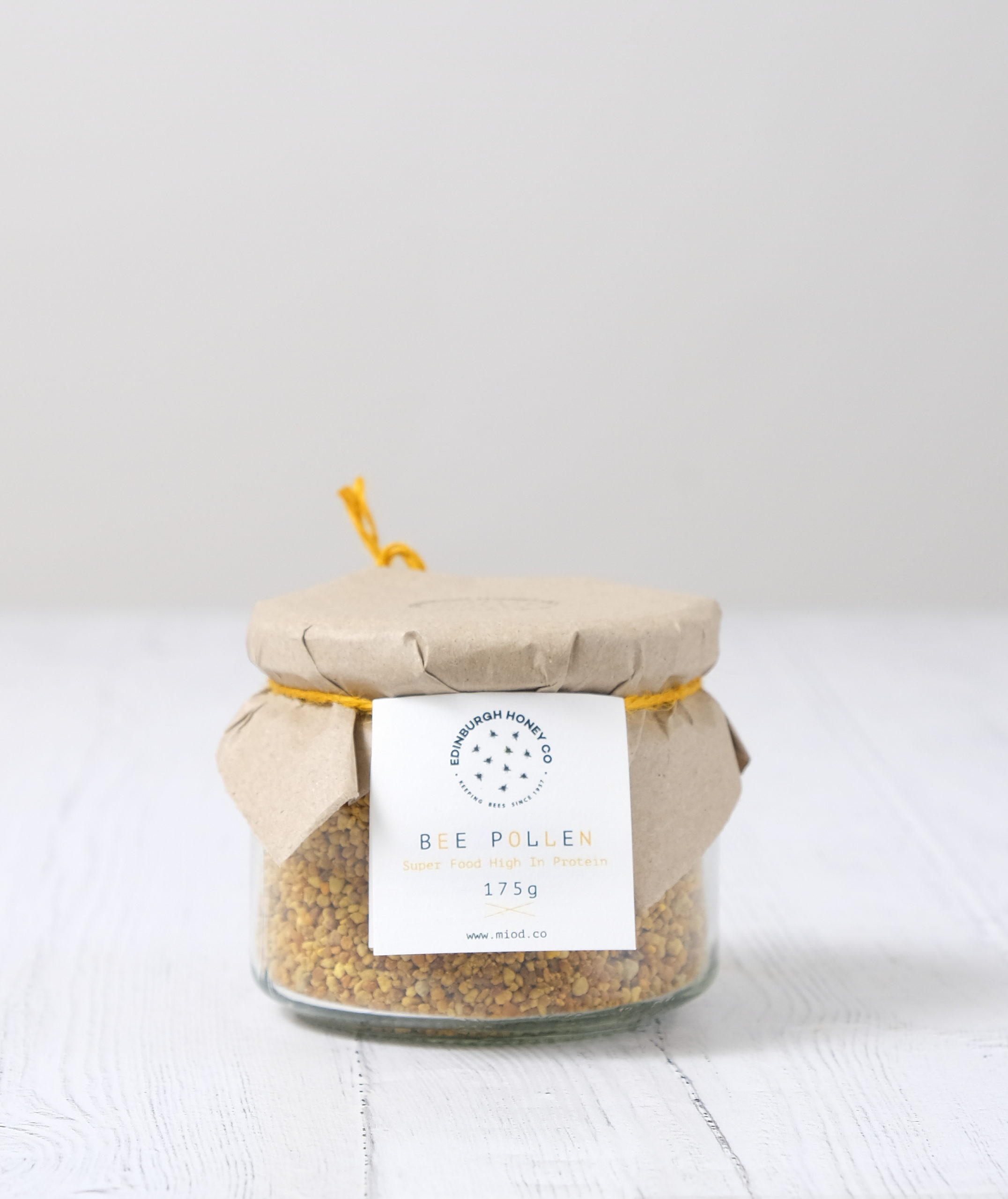

Description
What is bee pollen?
As bees forage on flowers, pollen collects on their bodies. They gather it into small pellets and carry it back to the hive, where it’s used as a vital food source.
Because bee pollen comes directly from plants, landscapes, and seasons, it naturally varies. Colour, flavour, and texture change depending on what’s flowering and where the bees are working — a reminder that this is a living food, shaped by nature rather than manufactured for uniformity.
→ Read our guide: Benefits of Bee Pollen
Why people choose bee pollen
This isn’t about trends or miracle claims. Bee pollen is popular because it delivers a lot in a very small amount and fits easily into everyday life.
People often add bee pollen to their routine because it:
-
Naturally contains a wide range of nutrients found in whole foods
-
Is easy to sprinkle into meals they already eat
-
Adds gentle crunch and visual interest to breakfasts and snacks
-
Supports small, repeatable habits that feel sustainable
It’s a simple way to enrich everyday food without overthinking it.
How to enjoy bee pollen
There’s no single “right” way — start small and see what suits you.
Easy ways to use it:
-
Sprinkle over yoghurt, kefir, porridge, or fruit
-
Add to smoothies or smoothie bowls
-
Stir into overnight oats
-
Mix with honey for a simple drizzle
Bee pollen or bee bread?
Both come from the same place — flowers — but they’re used differently.
-
Bee pollen is light, dry, and crunchy, making it ideal for sprinkling into food
-
Bee bread is pollen that has been naturally fermented in the hive, with a deeper, tangier flavour and a softer texture
Some people start with bee pollen for its ease and versatility, then explore bee bread later. Others enjoy both for different moments.
→ Read our guide: Bee Bread vs Bee Pollen — what’s the difference?
A small Edinburgh Honey Co promise
Everything we do begins with respect for the bees.
Our approach is shaped by generations of family beekeeping knowledge, where the guiding principle has always been simple: take only what the bees can spare.
We believe hive products should be handled with care, left close to nature, and allowed to reflect the season and landscape they come from.
No shortcuts, no forced consistency — just thoughtful beekeeping and patience.
Want ideas for using bee pollen?
Bee pollen works beautifully in simple, everyday food. If you’d like inspiration, you’ll find recipes, serving ideas, and guides on our blog — including easy breakfasts and gentle routines that fit real life.
A responsible note
Bee pollen is a traditional whole food from the hive. Its composition varies by origin and season, and research into its properties continues to develop.
If you have pollen allergies, are pregnant, or are managing a health condition, it’s sensible to speak with a qualified professional before adding new bee products to your routine.
Check out our YouTube channel to learn more about bees and honey.
#honeybee #honeycomb #honeyme #honey #honeybees #rawhoney #milkandhoney #honeydew #jimshoneysurabaya #myhoney #honeys #honeytoast #organichoney #honeyberry #honeydip #sweethoney #honeycinnamon #honeybucket #wildhoney #honeygarlic #naturalhoney #honeywax #honeyhoney #honeycombs #honeypot #localhoney #rawhoney #edinburgh #scottishhoney #localhoney #realhoney #nauralhoney #unfilteredhoney
Artur Tarnawski (verified owner) –
Quick delivery, high quality, and reasonable price; what else to expect?